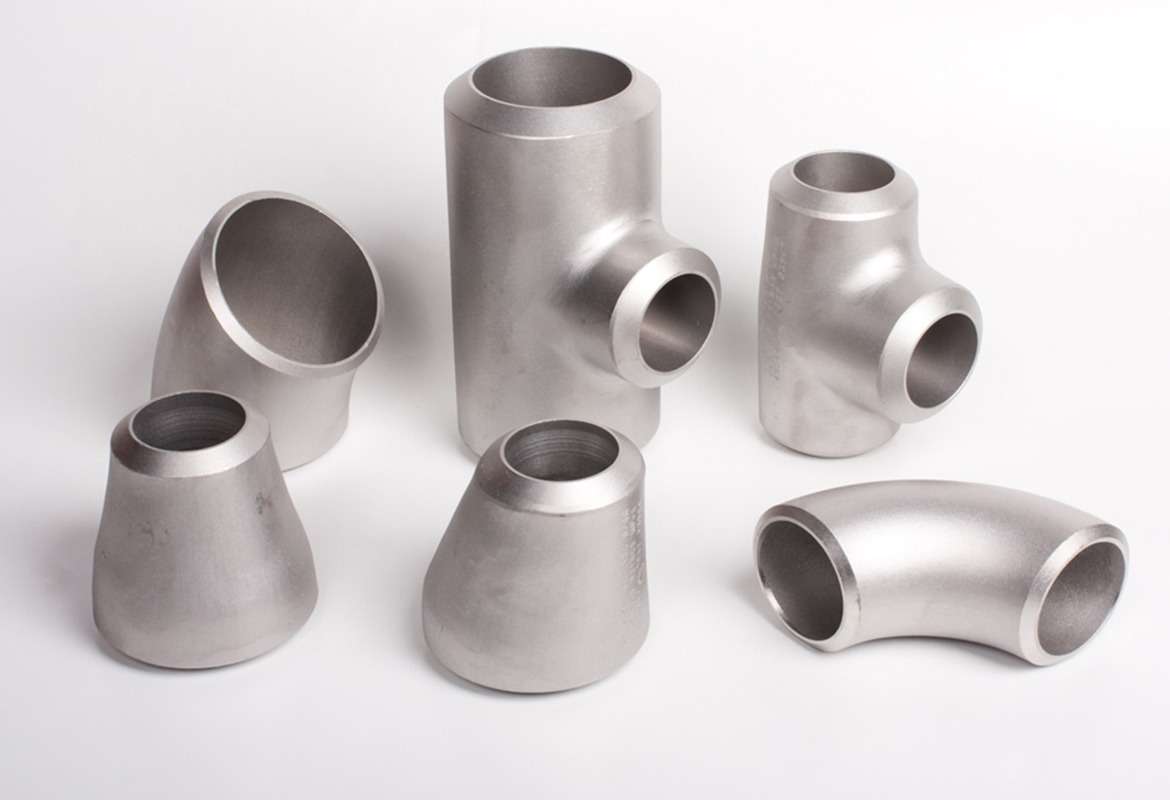
To begin with, Nickel 200 Forged Fittings are widely valued for their excellent resistance to a broad range of corrosive media, including caustic alkalis and neutral salts. With outstanding electrical and thermal conductivity, they are commonly used in heat exchangers, electrical components, food processing equipment, and chemical transfer lines. Consequently, refineries and chemical plants across the USA and UAE rely on Nickel 200 fittings for applications that demand high purity and stable mechanical properties at moderate temperatures.
In comparison, Nickel 201 Forged Fittings are specifically engineered for high-temperature service, offering improved resistance to intergranular embrittlement. This makes them ideal for applications involving prolonged exposure to elevated temperatures, such as furnace parts, aerospace components, and thermal processing systems. Therefore, industries in the UK and USA that operate high-temperature reactors and industrial heating systems consistently choose Nickel 201 for its enhanced reliability and metallurgical stability.
From a compliance and quality standpoint, nickel forged fittings are produced in accordance with international standards including ASTM B564, ASME SB564, DIN, EN, JIS, ISO, and relevant UNS grades such as UNS N02200 and UNS N02201. These standards ensure precise chemical composition, superior forged grain structure, and dimensional accuracy, making the fittings suitable for global projects and export-oriented industries.
In conclusion, selecting Nickel Forged Fittings is a strategic investment for industries that prioritize corrosion resistance, thermal performance, and long-term cost efficiency. With proven applications across chemical processing, power generation, food & beverage, and aerospace sectors in the UAE, USA, and UK, Nickel 200 and Nickel 201 forged fittings deliver unmatched purity and durability. As a result, industrial buyers seeking high-performance, standards-compliant solutions can confidently rely on nickel forged fittings for critical operations.